

Children’s Wellbeing and Schools Act 2026: What Children’s Social Care Providers Need to Know
01.10.2026
National Care Leavers’ Month is an opportunity to celebrate care-experienced young people, listen to their experiences and think about how we can better support their next steps.
But this year, it also comes against the backdrop of some difficult findings.
A recent independent review into the early deaths of care leavers examined 112 deaths of young people aged 18–24 notified in England during 2025. It found that care leavers were dying at an estimated rate three to four times higher than other young people of the same age.
Among the recurring themes were profound isolation, a significant drop in support after turning 18 and how well young people had been prepared for adulthood.
Dr Lisa Cherry, reflecting on the findings and her own experience of working in a Leaving Care Team, describes the need to end “age-based abandonment” and argues for practical, relational and therapeutic support that continues into adulthood.
The findings raise an important question for everyone supporting young people in care – what does being ready for adulthood really mean?
Independence is about more than living alone
As young people turn 18, parents and families often continue to provide somewhere to return to, help decipher an unexpected bill, explain a parking ticket, give advice about work or simply answer the phone when something goes wrong.
Care leavers may not always have that same safety net. The independent review found acute loneliness and isolation among young people leaving care, with 18 emerging as a particularly vulnerable point. One fifth of the deaths examined occurred at that age.
That means preparing for independence cannot simply mean preparing a young person to live alone. It should mean helping them build the skills, confidence, relationships and support network they can draw upon as their life changes.
Building independent living skills through everyday life
Some of the most valuable preparation happens through ordinary conversations and experiences.
Can the young person confidently manage a weekly food budget? Do they understand what a TV Licence is? Would they know whether they need contents insurance? Can they test a smoke detector? What happens when something unexpected arrives through the letterbox?
Take a parking ticket. It might involve understanding what the notice means, checking whether it’s correct, knowing where to find reliable information, deciding whether to challenge it and understanding the consequences of missing a deadline.
To many adults, these are ordinary pieces of life admin, but they’re learned skills.
Supporting care leavers to develop independent living skills means creating opportunities to practise them while trusted adults are still around to help.
Could the young people you support confidently…
✓ Understand household bills and important documents?
✓ Budget for expected and unexpected costs?
✓ Understand deadlines and consequences?
✓ Manage appointments and important dates?
✓ Know basic household and fire safety?
✓ Find reliable advice when they don’t know the answer?
Of course, preparing for independence isn’t just about practical tasks. As we explored in our article on Care Leavers & Maslow’s Hierarchy of Needs, young people also need strong foundations around them – including safety, stability, relationships and a sense of belonging.
Practical skills are part of that bigger picture. Supporting care leavers to develop independent living skills means giving them opportunities to learn, practise, make decisions and build confidence while trusted adults are still there to guide them.
Preparing for adulthood should be personal
Preparing for adulthood therefore starts with understanding the individual young person, their strengths, ambitions, needs and starting point. Most importantly, they should be part of that conversation.
One young person might confidently cook, travel independently and manage their money but find official paperwork overwhelming. Another might need more support with budgeting while already feeling confident about education, employment or maintaining a home.
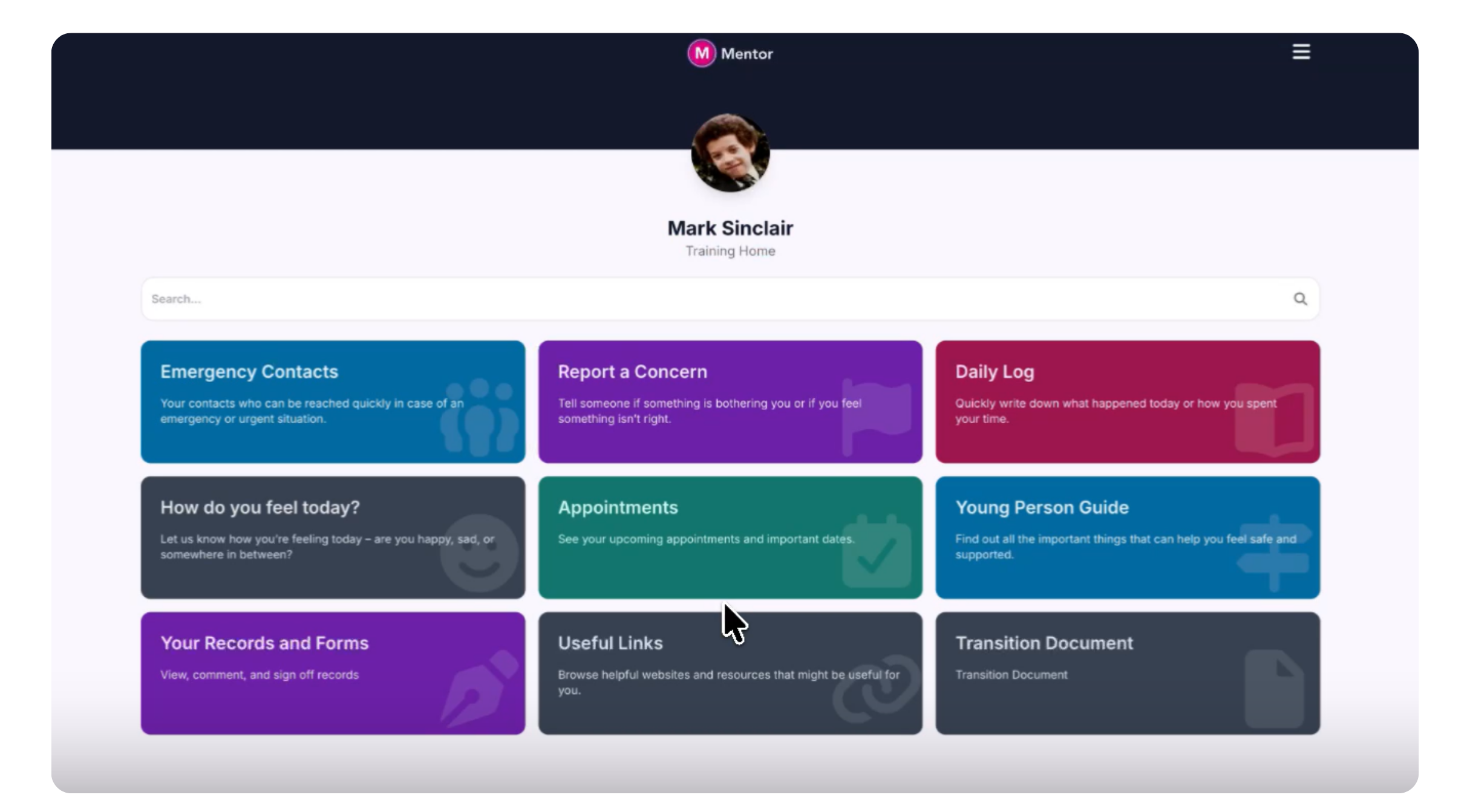
The young people should have opportunities to contribute their own goals, recognise their progress and say where they would like more support. That’s an important principle behind the Mentor Young Person Dashboard.
It gives young people greater visibility of their own information, goals and progress, helping providers make participation part of everyday practice rather than something that happens around them.
Independence shouldn’t mean isolation
Perhaps one of the most important lessons from the Ofsted review is that practical capability alone isn’t enough.
The review identified three major areas for change: preparing young people for adulthood, addressing the sharp reduction in support after 18, and strengthening the workforce supporting young people through that transition.
Its findings repeatedly return to loneliness and the absence of trusted adults.
The Government’s response has similarly emphasised connection. A £25 million national rollout of strengthened housing support is intended to increase access to homes that provide community and connection, rather than leaving young people isolated.
Preparing for adulthood can include helping young people identify trusted relationships, understand what support remains available, know where to go for specialist advice and feel confident asking for help.
Making progress visible
Independence develops gradually. A young person might need significant support with something today, complete it alongside a member of staff next time and eventually feel confident managing it themselves.
For providers, consistent daily recordings can help teams understand what has been tried, where confidence is growing and where support is still needed. It can also prevent important information becoming fragmented between staff, shifts or services.
Technology’s role is to give young people and the people supporting them better tools to work towards it together.
Preparing young people for life beyond care
National Care Leavers’ Month gives us an opportunity to celebrate progress, but also to listen.
The recent review is a difficult reminder that leaving care cannot be treated as a finish line.
Dr Lisa Cherry’s reflection on the findings puts the challenge starkly: support cannot simply disappear at an arbitrary age, and care-experienced voices need to sit at the centre of reform.
Preparing for independence should therefore start long before a young person leaves care and continue beyond the point at which they do. And, crucially, it means making sure independence never becomes another word for being left on your own.
See how Mentor helps Children’s Homes and Supported Accommodation providers involve young people in their journey, evidence progress and support the development of skills for adulthood.