

Understanding the New Ofsted Changes to the 2026 Children’s Social Care Framework
27.04.2026
Hearing a young persons voice
26.05.2026
Why preparing young people for independence starts long before they leave care.
Professionals working in children’s homes know that independence is rarely built through one conversation, one pathway plan, or one final meeting before a young person leaves care.
It develops gradually through routines, relationships, emotional safety and most often everyday experiences.
During a recent Mentor webinar with Ann-Marie, Strategic Lead and ex-Ofsted Inspector, the discussion explored Ofsted’s “Ready or Not” research and the experiences many care leavers shared about preparing for adulthood. In the research, many care leavers describe feelings of uncertainty, isolation and emotional unpreparedness after leaving care.
While practical skills like budgeting and cooking remain important, the findings highlighted that young people also need stability, belonging, confidence and trusted support around them.
That’s why Maslow’s Hierarchy of Needs provides such a useful lens for thinking about preparation for adulthood in children’s services.
Because before young people can thrive independently, they first need to feel safe, supported, connected, listened to and understood.
Understanding Maslow’s Hierarchy in Children’s Services
Maslow’s Hierarchy of Needs is a psychological framework describing the different layers of support people need to develop confidence and reach their potential, referenced by the Children’s Commissioner 2024.
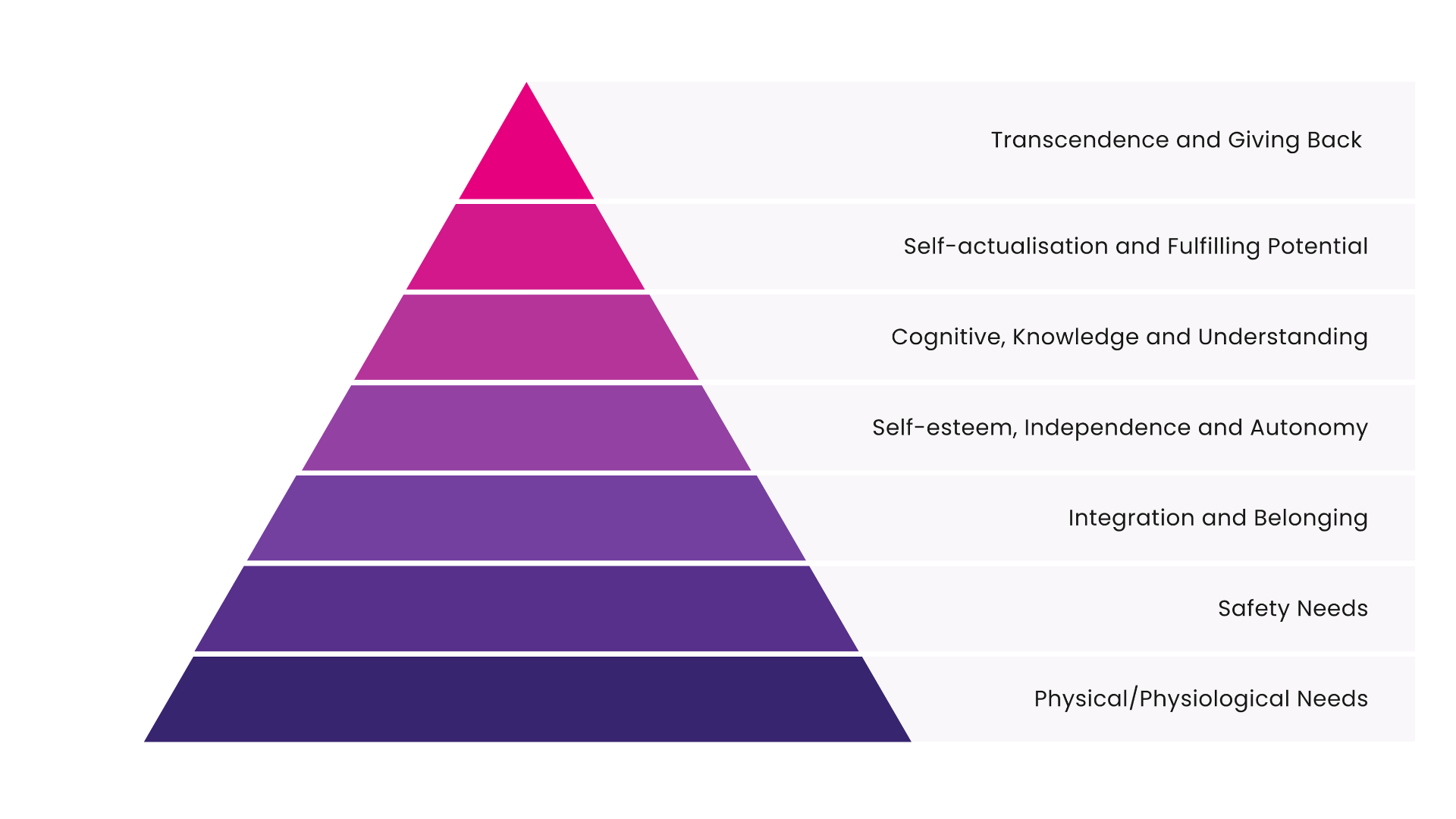
At the base of the hierarchy are fundamental needs like food, shelter, stability and physical safety.
Above that sits belonging, relationships, emotional wellbeing, confidence and purpose.
For care-experienced young people, many of these foundations may already have been disrupted through earlier experiences of instability, trauma, family breakdown, or multiple transitions.
That means preparation for adulthood cannot focus solely on practical independence. It also needs to consider:
- Emotional readiness
- Trusted relationships
- Community
- Feeling safe enough to navigate adulthood successfully.
Independence Starts Earlier Than We Sometimes Think
One of the clearest themes throughout Ofsted’s research was that many young people felt rushed into adulthood before they were fully ready.
Some described leaving care abruptly or feeling that plans came together too late. Others spoke about not understanding:
- Bills
- Tenancy responsibilities
- Financial support
- Where to go for help.
One young person explained: “All I knew how to do was cook and clean did not know how to pay a single bill.”
Another described walking into a supermarket for the first time after leaving care and feeling overwhelmed by the environment itself.
These examples are important because they show that independence cannot simply be a checklist of life skills. It’s confidence built through repeated experiences over time.
Young people learn gradually through:
- shopping with staff
- cooking meals together
- managing small budgets
- travelling independently
- attending appointments
- making choices
- understanding everyday responsibilities.
The homes that often prepare young people best are not necessarily delivering formal “independence programmes” every day.
They are creating opportunities for young people to experience ordinary life consistently and safely.
Stability and Safety Come Before Confidence
Maslow’s hierarchy reminds us that people struggle to focus on confidence, growth or long-term goals if they do not first feel safe.
This was another strong theme throughout the webinar and Ofsted findings. Only around half of care leavers reported feeling safe when they first left care. Some of their biggest concerns were:
- Money worries
- Unfamiliar locations
- Living alone
Some young people moved into areas they had never visited before. Others described feeling isolated after leaving environments where adults and peers had always been around them.
One young person described feeling nervous simply walking home at night because they didn’t know the area or community around them.
These experiences highlight how emotional safety can affect almost every aspect of transition into adulthood.
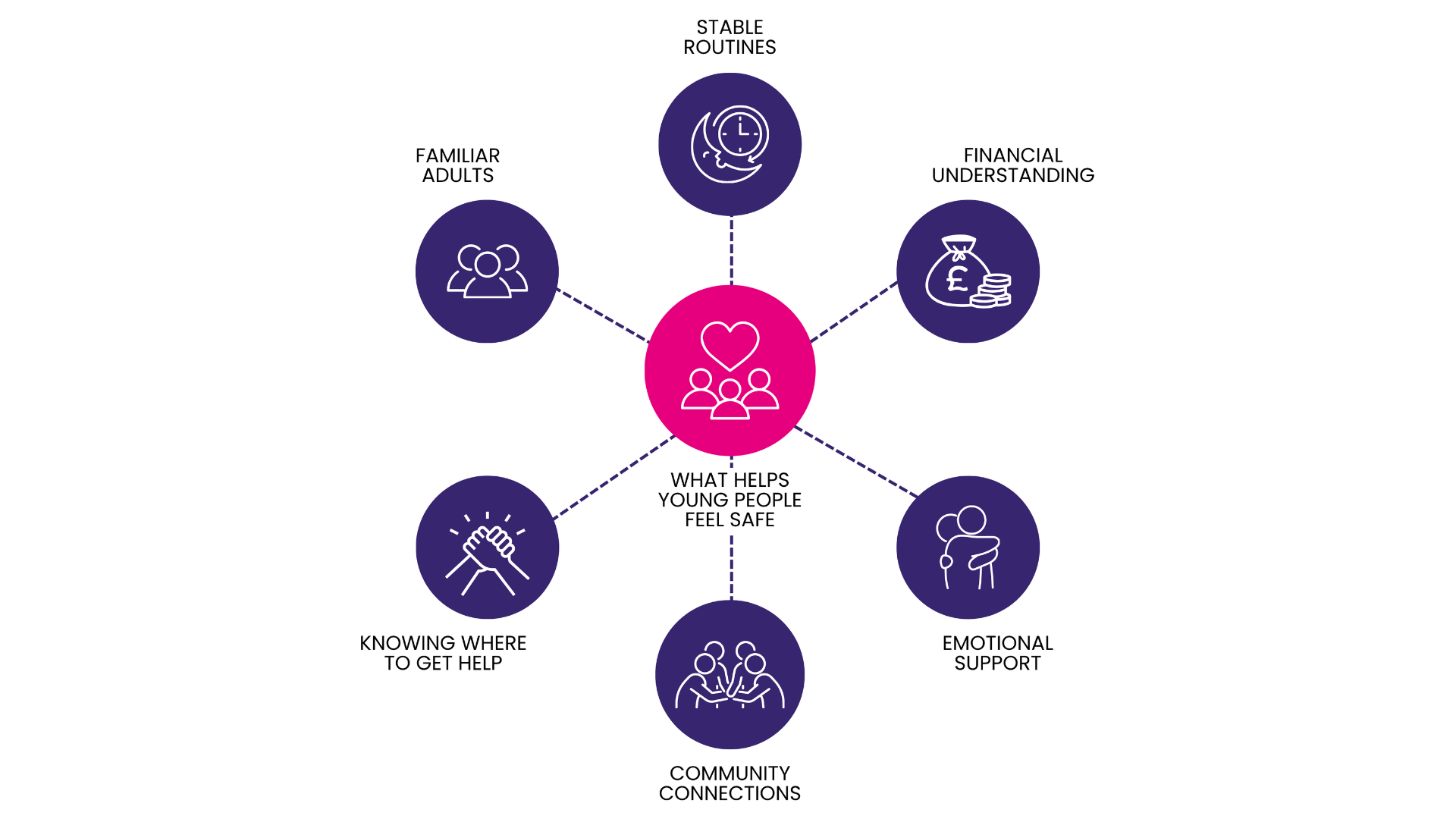
What Helps Young People Feel Safe?
The Importance of Belonging After Leaving Care
One of the most valuable discussions during the care leavers webinar focused on something that can easily be overlooked in leaving care planning a sense of belonging.
Many care leavers spoke less about formal services and more about relationships.
- Who still checked in on them
- Who answered the phone
- Who remembered birthdays
- Who invited them back for dinner
- Who still made them feel welcome
For many young people, leaving care can mean a sudden reduction in daily social connection. Children’s homes naturally provide everyday structure, interaction and routine and when that disappears overnight, the emotional impact can be significant.
Ofsted found that many care leavers experienced loneliness and isolation after leaving care, with some unsure where to seek emotional support.
That’s why preparation for adulthood needs to include conversations about:
Support networks
Helping young people understand who their support network is before leaving care, including Personal Advisers (PAs), local authority leaving care teams, mental health services, and trusted adults they can contact when things feel difficult
Healthy relationships
Having open conversations about healthy relationships, boundaries, online safety, financial pressure, and recognising unsafe or controlling behaviour
Community involvement
Encouraging involvement in local groups, volunteering, hobbies, gyms, sports, or education opportunities that help young people build confidence and routine outside of the home
Emotional wellbeing alongside practical independence
Supporting emotional wellbeing by helping young people understand how to register with a GP, access counselling or mental health support, and where to seek help if they begin struggling emotionally after leaving care.
Making sure young people understand the support available through their Local Offer for Care Leavers, including financial support, council tax exemptions, employment guidance, healthcare entitlements, and accommodation support
Building Confidence Through Involvement

What This Means for Children’s Homes & Supported Accomodation
Preparing young people for adulthood should not begin in the final weeks before they leave care. The strongest preparation usually happens gradually through everyday experiences and consistent support. This could mean;
- Helping a young person understand budgeting naturally
- Involving them in shopping and cooking
- Discussing future plans early
- Supporting emotional wellbeing
- Encouraging hobbies and friendships
- Creating environments where young people feel listened to.
How Mentor Supports Better Outcomes
At Mentor, we believe technology should support relationships, not take time away from them.
That’s why Mentor V3 is designed to help teams reduce paperwork, keep important information connected across shifts, and spend more time focused on young people.
Alongside care planning, recordings and outcomes tracking, Mentor also includes a dedicated Young Person Dashboard, giving young people access to important resources, appointments, wellbeing tools, transition documents and useful information as they prepare for independence.
Beyond the platform itself, we regularly host free webinars with ex-Ofsted inspectors, sector experts and care-experienced voices to help providers better understand the challenges young people face before and after leaving care.
We’re also proud to partner with Madlug, supporting their mission to ensure no child moves through care carrying their belongings in a bin bag. Through the partnership, every bag purchased helps provide a pack-away travel bag to a child in care – supporting dignity, belonging and confidence during important transitions.
Because supporting better outcomes for young people goes beyond compliance. It’s about helping care teams create stability, connection and confidence long after a young person leaves a home.