

Children’s Social Care in England 2026: What the Latest Ofsted Data Tells Us
25.08.2026
Making the right admission decision is one of the most important responsibilities for a Supported Accommodation provider.
A successful placement starts long before a young person moves in. Providers need to understand their needs, risks and readiness for independence, consider how they may fit alongside other young people, assess whether the location is appropriate and clearly evidence how the decision was reached.
In our recent webinar, Getting Supported Accommodation Admissions Right, Alli Tandy, Head of Quality and former Ofsted Inspector, joined Mentor to explore the admissions process, Supported Accommodation regulations and some of the practical considerations providers should make when assessing a new placement.
Here are some of the key takeaways from the session.
Is Supported Accommodation the Right Placement?
One of the first questions providers should ask is also one of the most important: is Supported Accommodation actually right for this young person?
Supported Accommodation is intended for 16 and 17-year-olds who are ready for greater independence. During the webinar, Alli highlighted circumstances where Supported Accommodation may not be appropriate, including where a young person requires a higher level of support, has a high level of risk or need, is subject to a deprivation of liberty restriction, or is unable to manage their own medication.
Providers should therefore be prepared to decline a referral where they cannot safely or appropriately meet a young person’s needs – and importantly, record why that decision was made.
This makes good referral information and careful assessment essential to the Supported Accommodation admissions process.
Look Beyond the Referral: Assessing Placement Compatibility
Accepting a placement isn’t only about whether your service can support the young person in isolation.
Compatibility should consider both the young person being referred and those already living within the service. Providers should consider their respective needs, risks and relationships, alongside the potential impact of introducing a new person into the accommodation.
That means looking beyond the information contained in the initial referral.
Alli recommended speaking to those who already know the young person, including their social worker, previous home or service, other relevant agencies and, where appropriate, family members.
The location itself should also form part of the assessment. Providers should consider factors such as exploitation risks, access to education or employment and the young person’s ability to maintain important relationships. Location risk assessments should be reviewed with each new admission.
Understand the Young Person’s Readiness for Independence
A move into Supported Accommodation should support a young person’s journey towards greater independence.
Before admission, providers therefore need to understand what the young person can already manage and where they may need additional support.
This could include budgeting, managing medication and developing the practical skills required for everyday life. If there are gaps, there should be a clear plan for how the service will support the young person to develop those skills.
Importantly, this shouldn’t become a one-size-fits-all process. Support may need to increase at times of crisis or in response to a particular risk or need, with the reasons for those decisions recorded and reviewed.
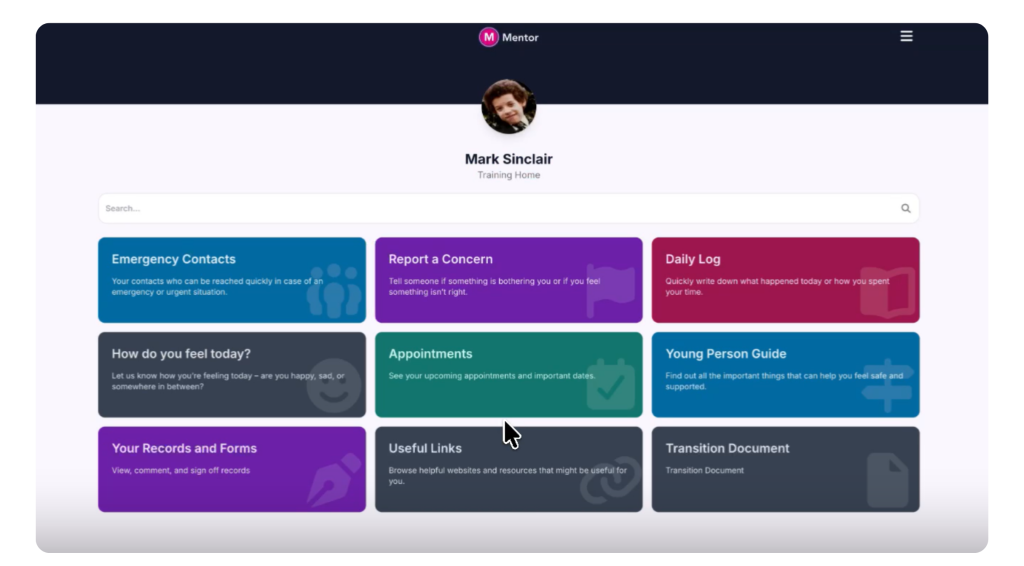
Mentor’s Young Person Dashboard gives young people greater visibility of their goals, progress and support journey – encouraging involvement, recognising achievements and helping build confidence towards independence.
Create a Clear Supported Accommodation Admission Process
Once a placement has been agreed, the transition into the service matters too.
Providers should be able to demonstrate a clear admission process, including whether the young person had opportunities to visit the accommodation beforehand and whether information such as the Young Person’s Guide has been made accessible and relevant to them.
Staff should understand the young person’s needs and risks from the beginning, as well as what action they need to take if circumstances change.
A good transition isn’t simply about completing admission paperwork. It’s about giving the young person the best possible start in their new accommodation.
Good Recording Should Tell the Story
One of the strongest themes running throughout the webinar was the importance of clear, joined-up record keeping.
The information gathered during a Supported Accommodation referral shouldn’t disappear once a placement has been accepted.
There should be a clear thread between the initial assessment, identified risks, support plan, support sessions and subsequent reviews. Records should also capture the young person’s views and demonstrate appropriate management oversight.
This is where having information in one central system can make a significant difference.
Mentor Software helps Supported Accommodation providers bring together young person records, risk assessments, support planning and ongoing recording, helping teams maintain a clearer picture as needs change and new information emerges.
It also means the evidence behind important decisions is easier to find when managers or inspectors need it.
Keep Learning After the Placement Begins
The admissions process doesn’t finish when a young person moves through the door.
Providers will inevitably learn more about them over time. New behaviours or risks may emerge, their independence skills may develop, or their support needs may change.
The key is to review, respond and record.
The webinar also highlighted the value of learning when outcomes haven’t gone as planned, including reflecting on placement endings and involving other agencies where appropriate.
Ultimately, getting admissions right means making informed decisions at the beginning while remaining responsive throughout the young person’s placement.
Watch: Getting Supported Accommodation Admissions Right
From assessing compatibility and readiness for independence to recording decisions and preparing for inspection, there was plenty more practical guidance covered during our session with Alli.
And if you’re looking for more practical resources for your service, download our free Supported Accommodation guide, covering better matching, strengths-based support, preparing young people for adulthood, safeguarding, commissioner expectations and more.