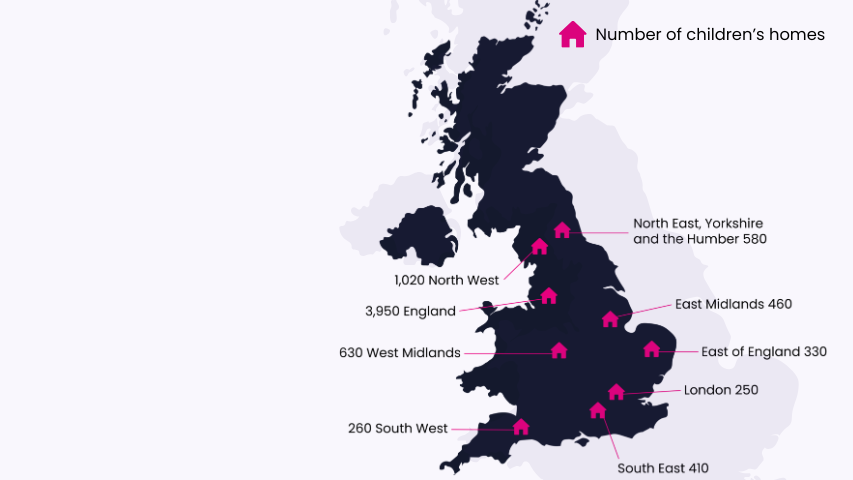

Children’s Social Care in 2025 Roundup: Key Trends & Mentor Insights
05.12.2025
Children’s Services Calendar 2026
05.01.2026
Key insights from our webinar with Alli Tandy, ex-Ofsted Inspector. How Mentor helps providers stay compliant, confident and inspection ready.
Reg32 Requirements Explained for Supported Accommodation Providers
Regulation 32 is one of the most critical responsibilities introduced for supported accommodation providers since Ofsted assumed regulatory oversight of the sector in 2023. As providers continue adapting to the Supported Accommodation Regulations and Quality Standards, there is growing pressure to demonstrate consistent, high quality support and robust evidence across every setting.
To help providers navigate these expectations with confidence, Mentor hosted a live webinar with Alli Tandy, former Ofsted Inspector and sector expert. The session unpacked what Regulation 32 really requires, how leaders should approach their six-monthly review, and what Ofsted are looking for during inspections.
Here, we’ll revisit the key takeaways from the webinar, add practical examples, and highlight how digital tools like Mentor V3 make Regulation 32 oversight and evidence gathering far easier for teams stretched across multiple homes.
Why Reg 32 Matters
At its core, Regulation 32 is about ensuring that providers maintain a clear, consistent system for monitoring and improving the quality of support delivered to 16–17-year-olds. This isn’t simply a compliance task; it’s a framework that helps providers understand what’s working, spot risks early and improve young people’s experiences in tangible ways.
For many teams, this is also the first time they have been required to produce a structured, cyclical quality review with a formal submission to Ofsted. That shift alone has highlighted the operational challenges of gathering evidence across properties, keeping staff aligned, and ensuring nothing slips through the cracks.
This is one of the key reasons Mentor created V3, to give supported accommodation providers a single place to capture records, track progress and risks, and demonstrate the impact of their work - all essential ingredients of a strong Regulation 32 report.
What Regulation 32 Actually Requires
The regulation sets out a clear set of expectations. Providers must:
- Maintain a system for monitoring and improving the quality of support.
- Complete a review at least once every six months.
- Gather and reflect on the views of children, staff, and placing authorities.
- Evaluate experiences, transitions, incidents, and safeguarding concerns.
- Consider sector best practice and relevant research.
- Submit a written report to the Chief Inspector within 28 days.
- Demonstrate leadership oversight and continuous improvement.
The supporting statutory guidance emphasises that this review must be robust, reflective, and evidence-based, not a descriptive summary.
For many providers, this presents a practical challenge - how do you gather meaningful, accurate, real-time evidence across all properties, staff teams, and young people?
This is where Mentor’s role becomes central. Our software is designed specifically so teams can record, monitor, and retrieve information quickly, giving leaders the visibility they need to write a high-quality Regulation 32 review with far less stress.
Professional Judgment Matters
One of Alli’s most reassuring clarifications was that Ofsted does not expect providers to review all Quality Standards in every cycle. Instead, leaders should use professional judgment to identify:
- Patterns emerging since the last review
- Areas of strength worth celebrating
- Weaknesses or risks that require action
- Themes from incidents, feedback, or complaints
- Where the service needs to improve next
This flexibility allows providers to tailor the review to their local context, but it also requires strong oversight systems so leaders know where attention is needed.
Providers using Mentor often highlight that dashboards, risk summaries, and incident overviews make it far easier to see these themes at a glance, rather than manually reviewing disconnected spreadsheets, emails, and paper notes.
What a Strong Regulation 32 Review Should Cover
1. Overview of Current Properties
A high-quality review sets the scene clearly. Providers should outline:
- All current properties under the registration
- Any environmental adaptations since the last review
- Furnishing or layout changes
- Updated locality risk assessments
Locality assessments are particularly important. Ofsted often queries how well you understand your local risks, including crime trends, vulnerable locations, and community safety updates. Providers using Mentor can upload assessments, schedule review reminders, and evidence version control automatically.
2. Young People’s Needs, Experiences & Progress
For each young person, providers should evidence:
- Their presenting needs
- Key risks
- Education, employment or training situation
- Health and wellbeing considerations
- Progress against goals or independence plans
- Any emergency admission and learning from the process
- Transition outcomes for those who have moved on
The emphasis should be on impact — what difference support has made. Mentor helps by linking daily logs, outcomes, risk updates, and independence plans, making progress easier to evidence narratively and quantitatively.
3. Incidents, Themes & Learning
Providers must show:
- Number and type of incidents (missing, exploitation, substance misuse, aggression, etc.)
- Patterns over time
- What was done in response
- Whether staffing levels or support changed
- How external agencies were involved
Ofsted places heavy weight on learning, not just recording. Mentor’s incident timelines and action logs help demonstrate that incidents lead to meaningful change.
4. Safeguarding & Responses
A strong safeguarding section includes:
- New or ongoing safeguarding concerns
- Allegations and how they were managed
- Escalation to local authorities or police
- Patterns in concerns
- Any training or policy updates arising from learning
Providers often struggle to assemble this information retrospectively. Mentor’s safeguarding logs, alerts, and audit trails mean nothing is missed and reports can be generated quickly.
5. Independent Living & Preparation for Adulthood
This is a core area of scrutiny for Ofsted. Providers must show how they support young people to develop:
- Budgeting skills
- Cooking and nutrition
- Travel independence
- Household routines
- Planning and decision-making
- Tenancy preparation
With Mentor’s independence skills modules and keywork recording, providers can evidence support in a structured, trackable way that aligns with Ofsted expectations.
6. Staffing, Workforce & Development
Reg 32 requires providers to look at workforce capability, including:
- Staffing levels
- Use of agency
- Supervision and training
- Staff feedback
- Leadership oversight
Mentor’s HR and rota tools help providers keep all staffing information in one place, with training reminders and role-based compliance tracking built in.
7. Feedback, Voice & Complaints
Providers must gather and analyse feedback from:
- Young people
- Social workers and IROs
- Family members (where appropriate)
- Staff
- External professionals
The report must show not just what was said, but what has actually changed as a result. Mentor customers use feedback logs and complaints workflows to centralise this information and link actions directly to outcomes.
8. The Action Plan - Your Most Important Section
This is the section Ofsted looks at first. Providers must outline:
- What needs improvement
- What actions will be taken
- Who is responsible
- Timescales
- How progress will be measured
Providers often tell us that Mentor’s action management tools make this far simpler, as actions can be assigned, tracked, and evidenced directly within the system.
How Mentor Helps Providers Deliver Robust Reg 32 Reviews
Throughout the webinar, one theme was clear: providers feel the pressure of gathering meaningful evidence from multiple homes, teams, and systems. Mentor V3 was created specifically to solve this problem.
Providers use Mentor to:
- Centralise incidents, risks, safeguarding and feedback
- Track progress for every young person
- Log independence work and keywork sessions
- Manage staffing, training and supervision
- Maintain audit trails for every decision
- Monitor themes and patterns across homes
- Export evidence-rich reports that support Reg 32 reviews
With everything connected, leaders gain real-time oversight — the exact level of visibility Regulation 32 requires.
This isn’t just an administrative requirement; it’s a framework designed to help providers continuously improve and demonstrate the depth of their support for young people. With clear evidence, reflective learning, and strong oversight, providers can use the review to strengthen practice, develop staff, and improve the experiences of the young people they support.
Curious about the rise of supported accommodation and wider sector trends? Explore our 2025 infographic insights.
If you’d like help preparing for Regulation 32, or want to see how Mentor V3 can make gathering evidence simpler and more reliable, our team is here to help.
Book a personalised demo today and see how Mentor can support your next Regulation 32 review.